
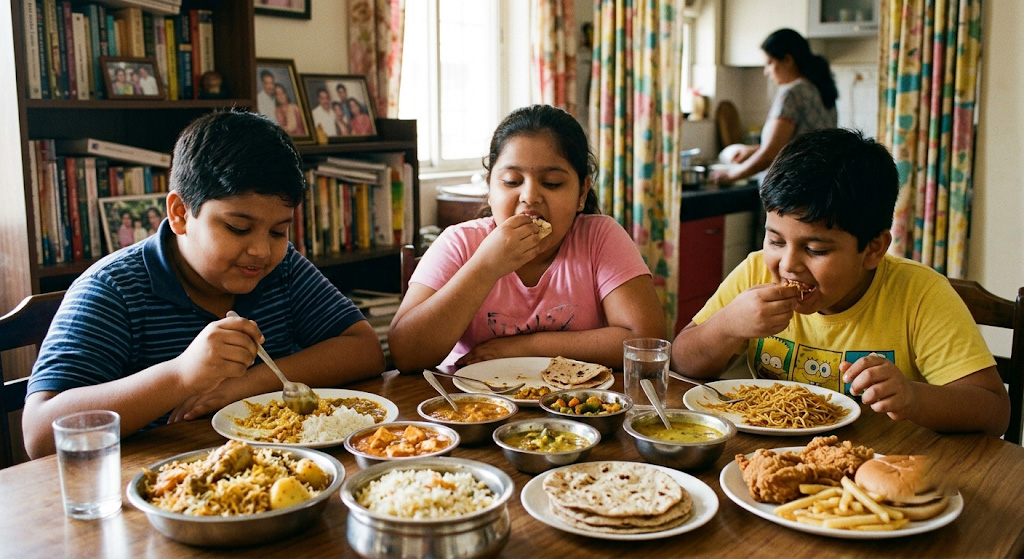
Childhood obesity has become one of the most significant public health challenges worldwide. Over the past few decades, the number of children living with overweight and obesity has increased dramatically, affecting not only their physical health but also their emotional well-being, academic performance, and future quality of life.
Obesity in children is not simply a cosmetic concern or a temporary phase that they will “outgrow.” It is a chronic medical condition that requires timely attention, proper guidance, and long-term management. If left untreated, childhood obesity can continue into adulthood and increase the risk of developing serious health conditions at an early age.
At Bariatrics by Borudes, we believe that prevention, early diagnosis, and family-centered care are the keys to helping children lead healthier and happier lives.
What Is Childhood Obesity?
Childhood obesity occurs when a child has excess body fat that may negatively affect their health. Unlike adults, obesity in children is assessed using Body Mass Index (BMI)-for-age percentiles, which take into account a child’s age, gender, height, and weight.
Healthcare professionals use growth charts to determine whether a child’s weight falls within a healthy range.
Generally:
- Healthy Weight: 5th to 84th percentile
- Overweight: 85th to 94th percentile
- Obesity: 95th percentile and above
Since children are continuously growing and developing, regular monitoring by a healthcare professional is essential.
Why Childhood Obesity Is Increasing
Modern lifestyles have changed dramatically over the past two decades. Children today are often less physically active and consume more calorie-dense, processed foods than previous generations.
Several factors contribute to this growing problem.
- Unhealthy Eating Habits
One of the leading causes of childhood obesity is poor nutrition.
Many children regularly consume:
- Fast food
- Sugary drinks
- Packaged snacks
- Chocolates and candies
- Bakery products
- Deep-fried foods
- High-calorie desserts
These foods are often high in calories, sugar, unhealthy fats, and salt while providing very little nutritional value.
Large portion sizes and frequent snacking further increase daily calorie intake.
- Lack of Physical Activity
Physical activity is essential for healthy growth and development.
Unfortunately, many children spend more time indoors than ever before.
Instead of outdoor games, children often spend hours:
- Watching television
- Using mobile phones
- Playing video games
- Browsing social media
- Using tablets and computers
Reduced physical activity means fewer calories are burned, increasing the risk of weight gain.
- Excessive Screen Time
Technology has become an important part of modern life, but excessive screen time contributes significantly to obesity.
Children who spend several hours each day on screens are more likely to:
- Snack frequently
- Sleep less
- Exercise less
- Develop unhealthy eating habits
Experts recommend limiting recreational screen time and encouraging more active play.
- Family Lifestyle
Children often develop eating habits by observing their parents and family members.
If a household regularly consumes processed foods, sugary drinks, or rarely engages in physical activity, children are more likely to adopt similar habits.
Healthy families create healthy children.
Simple habits such as eating meals together, cooking at home, and encouraging outdoor activities can make a significant difference.
- Genetics and Hormones
Although lifestyle plays the biggest role, genetics can also influence body weight.
Some children inherit genes that increase their tendency to gain weight.
Rare hormonal disorders or certain medications may also contribute to obesity.
However, even when genetics are involved, healthy lifestyle changes remain essential.
Health Risks of Childhood Obesity
Childhood obesity affects nearly every organ system in the body.
Children living with obesity may develop conditions once seen only in adults.
Type 2 Diabetes
Excess body fat increases insulin resistance, making it harder for the body to control blood sugar levels.
Children with obesity are at much higher risk of developing Type 2 Diabetes during adolescence.
High Blood Pressure
Obesity increases the workload on the heart and blood vessels.
Many overweight children develop elevated blood pressure, increasing their future risk of heart disease.
High Cholesterol
Childhood obesity often leads to unhealthy cholesterol levels, contributing to cardiovascular disease later in life.
Fatty Liver Disease
Fat accumulation in the liver has become increasingly common among children with obesity.
If untreated, fatty liver disease may progress to liver inflammation and long-term liver damage.
Sleep Apnea
Excess fat around the neck may block the airway during sleep.
Symptoms include:
- Loud snoring
- Interrupted breathing
- Poor sleep
- Daytime fatigue
- Difficulty concentrating
Joint Problems
Carrying excess body weight places additional pressure on growing bones and joints.
Children may experience:
- Knee pain
- Back pain
- Poor posture
- Reduced mobility
Emotional and Psychological Effects
The impact of obesity extends beyond physical health.
Many children struggle with:
- Low self-esteem
- Social isolation
- Bullying
- Anxiety
- Depression
- Poor confidence
These emotional challenges can affect school performance, friendships, and overall quality of life.
Parents should pay close attention to changes in mood, behavior, or confidence.
Warning Signs Parents Should Watch For
Parents are often the first to notice changes in their child’s health.
Signs that may indicate a weight problem include:
- Rapid weight gain
- Clothes becoming tight quickly
- Breathlessness during play
- Fatigue
- Difficulty keeping up with peers
- Snoring during sleep
- Reduced physical activity
- Preference for sedentary activities
Early recognition allows timely intervention.
How Childhood Obesity Can Be Prevented
The good news is that childhood obesity is largely preventable.
Healthy habits established early in life often continue into adulthood.
Encourage Balanced Nutrition
A healthy diet should include:
- Fresh fruits
- Green vegetables
- Whole grains
- Lean proteins
- Milk and dairy products
- Nuts and seeds
Limit:
- Sugary beverages
- Fast food
- Chips
- Cakes
- Cookies
- Ice cream
- Processed snacks
Parents should avoid using food as a reward.
Promote Daily Physical Activity
Children should remain physically active every day.
Activities may include:
- Walking
- Cycling
- Swimming
- Outdoor games
- Dancing
- Football
- Cricket
- Skipping
- Yoga
Physical activity should be enjoyable rather than a punishment.
Reduce Screen Time
Set healthy limits for television, mobile phones, tablets, and gaming.
Encourage hobbies such as:
- Reading
- Drawing
- Gardening
- Sports
- Family walks
- Outdoor play
Ensure Adequate Sleep
Poor sleep can disturb hormones that regulate hunger and appetite.
School-age children generally require 9–12 hours of sleep, while teenagers need 8–10 hours each night.
Good sleep supports healthy growth and weight management.
Be a Role Model
Children imitate adults.
Parents who eat healthy foods, exercise regularly, and maintain active lifestyles encourage children to do the same.
Healthy habits work best when the entire family participates together.
When Should Parents Seek Medical Help?
Parents should consult an obesity specialist if:
- Their child continues gaining excessive weight.
- Diet and exercise have not improved weight.
- The child has diabetes, high blood pressure, or fatty liver.
- Sleep problems develop.
- Emotional distress or bullying affects confidence.
- BMI falls within the obesity range.
Early medical evaluation allows healthcare professionals to identify underlying causes and recommend appropriate treatment.
How Bariatrics by Borudes Can Help
At Bariatrics by Borudes, childhood obesity is managed through a comprehensive, family-centered approach.
Our team focuses on:
- Growth assessment
- BMI evaluation
- Nutritional counseling
- Lifestyle modification
- Physical activity planning
- Behavioral guidance
- Long-term monitoring
- Family education
Our goal is to help children develop lifelong healthy habits—not simply lose weight.
By working closely with parents, we create personalized treatment plans that support healthy growth while improving overall well-being.
The Importance of Early Action
Childhood obesity is easier to prevent than to treat.
The earlier healthy habits begin, the greater the chances of avoiding future medical complications.
Parents should remember that small daily improvements—choosing healthier meals, encouraging outdoor play, reducing screen time, and spending quality time together—can produce lasting benefits.
A healthier childhood lays the foundation for a healthier adulthood.
Final Thoughts
Childhood obesity is a serious but preventable health condition that deserves timely attention and compassionate care. It affects not only a child’s physical health but also their confidence, emotional well-being, and future quality of life.
The good news is that with the right support, positive lifestyle changes, and early intervention, children can achieve and maintain a healthy weight while continuing to grow and thrive.
At Bariatrics by Borudes, under the guidance of Dr. Sanjay Borude and Dr. Rahul Borude, we are committed to raising awareness about childhood obesity and empowering families with the knowledge and support they need to build healthier futures. Through personalized care, education, and evidence-based treatment, we strive to ensure that every child has the opportunity to lead a healthier, happier, and more active life.